
The Draft Law on Executing Palestinian Prisoners: A Reading of the Decision and Its Background
In a move that sparked widespread controversy and condemnation at both the human rights and public levels, the Israeli Knesset approved on March 30, 2026, a draft law mandating the execution of Palestinian prisoners. The law passed with a majority of 62 votes in favor and 48 against. It was fast-tracked amid a tense political and security climate, reflecting a growing trend toward tightening punitive policies against Palestinians.
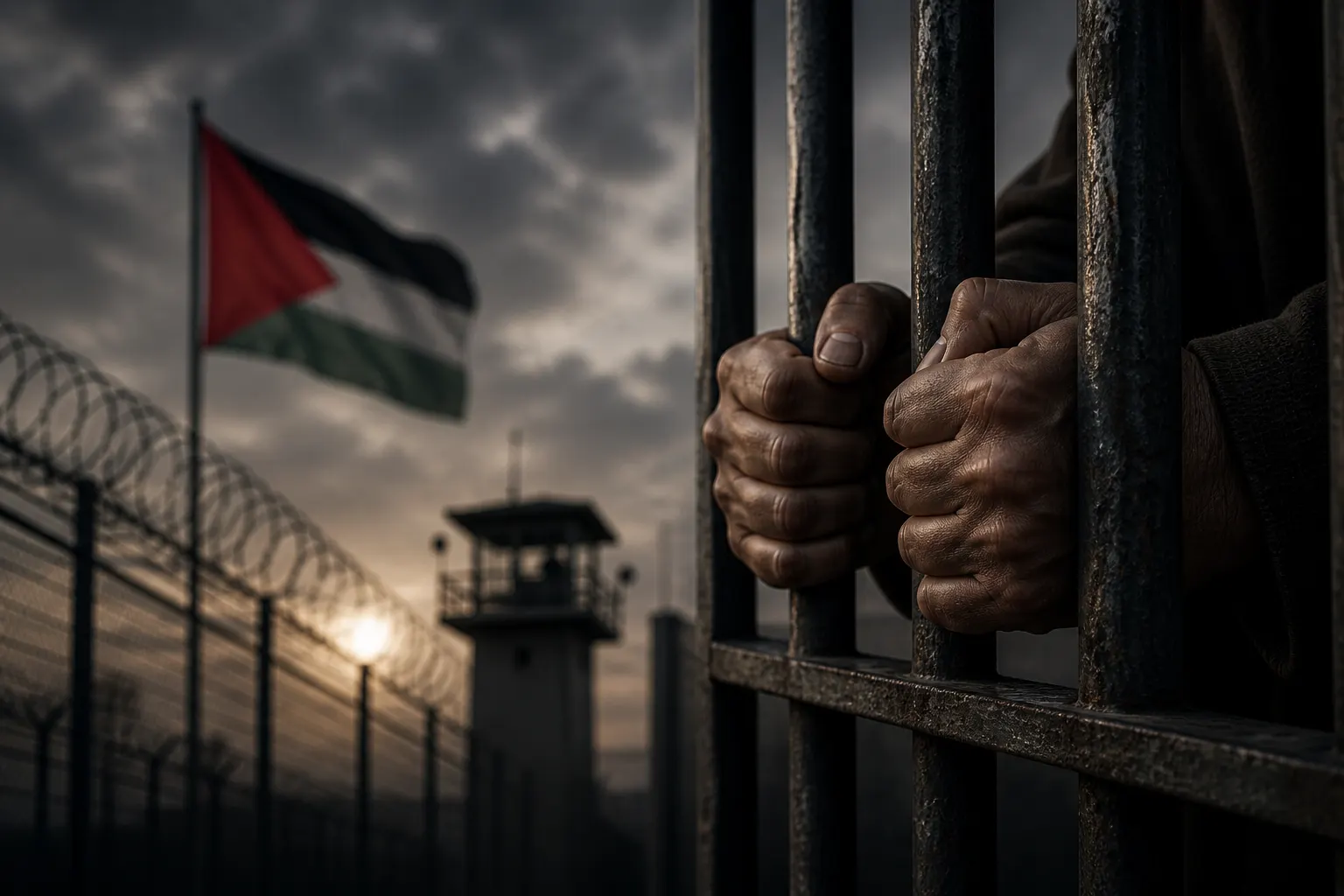
This decision comes within a broader context of measures targeting Palestinian prisoners inside Israeli prisons, under an administration led by the Minister of National Security. Concerns are increasing that the issue of prisoners is being used as a political tool within electoral and public discourse.
Legal and Human Rights Implications
This law carries significant sensitivity at the international level, as it contradicts the global trend toward abolishing the death penalty. It also raises serious concerns about potential violations of international humanitarian law and human rights principles, particularly regarding the rights of prisoners.
Observers argue that this direction reflects an escalation in discriminatory policies and an extension of previously documented practices, including medical negligence, ill-treatment, and strict restrictions within prisons.
Legislative and Political Background
The approval of this draft law represents the culmination of a legislative process that began in 2023, followed by a first reading in November 2025, and ultimately final approval in March 2026. This trajectory reflects a shift from political discourse to binding legislation within the Israeli legal system.
The law, in its current form, resulted from the merging of two proposals submitted by members of both the ruling coalition and the opposition, indicating a relatively broad political consensus on intensifying punitive measures in this area.